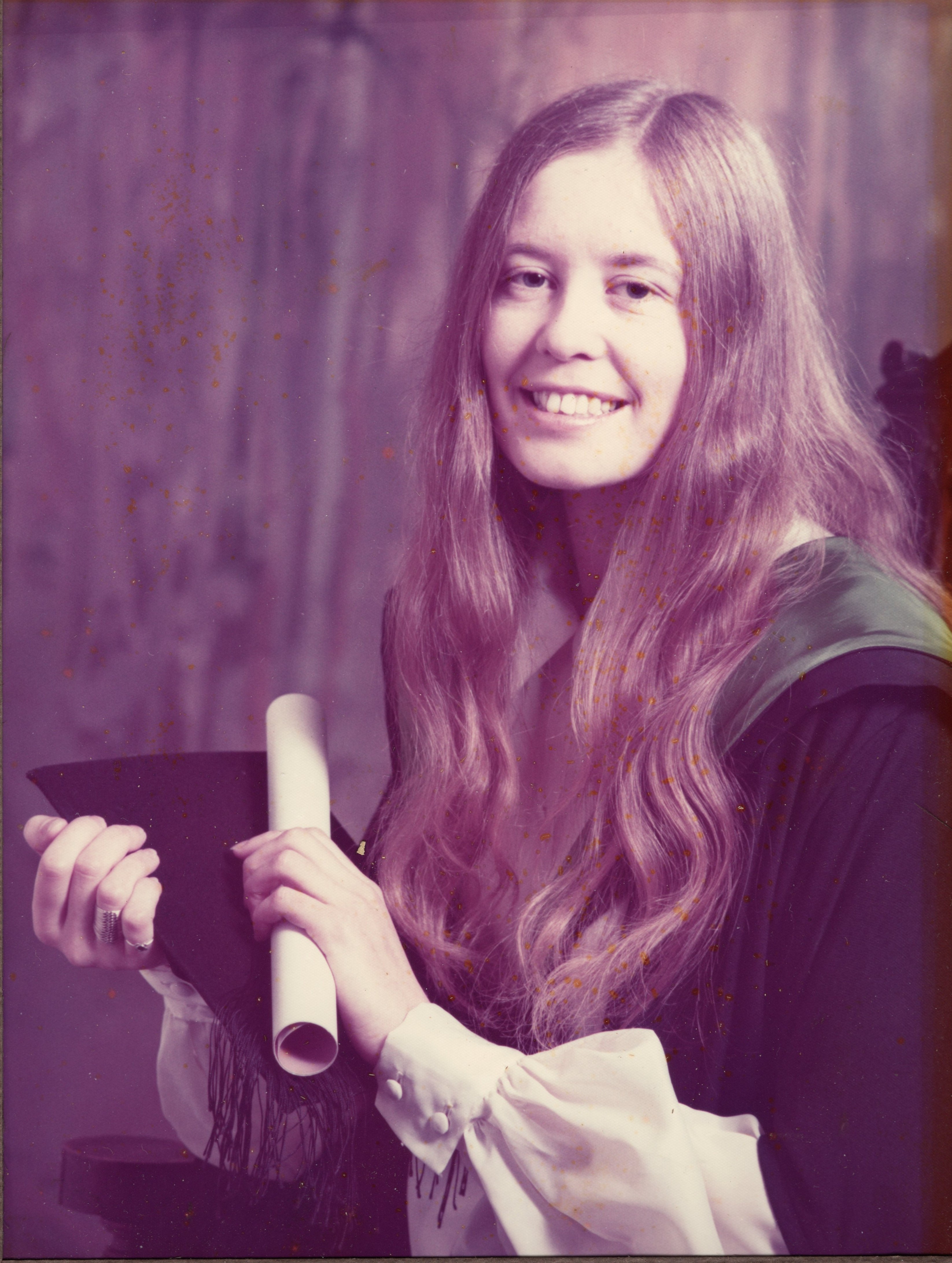
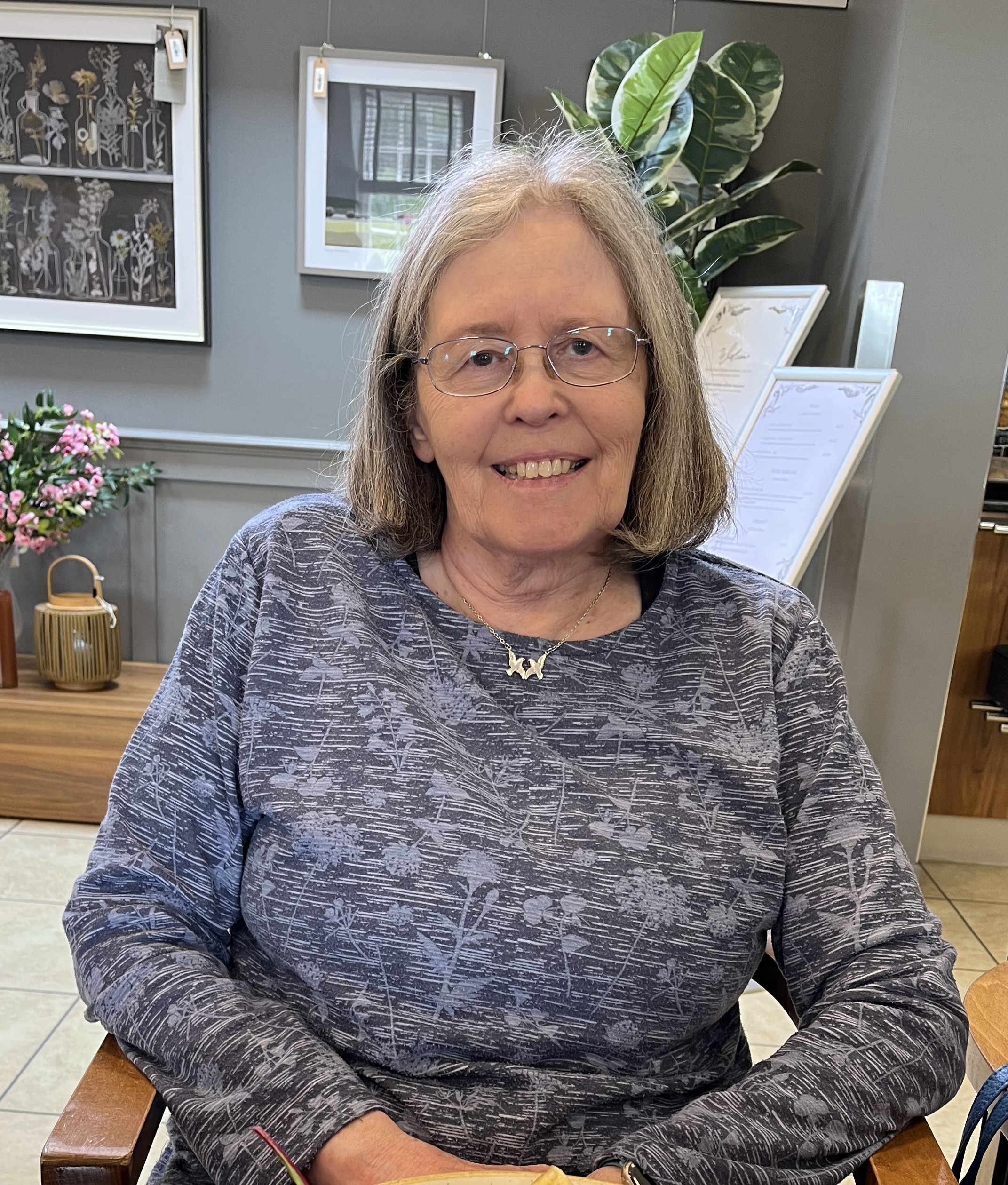
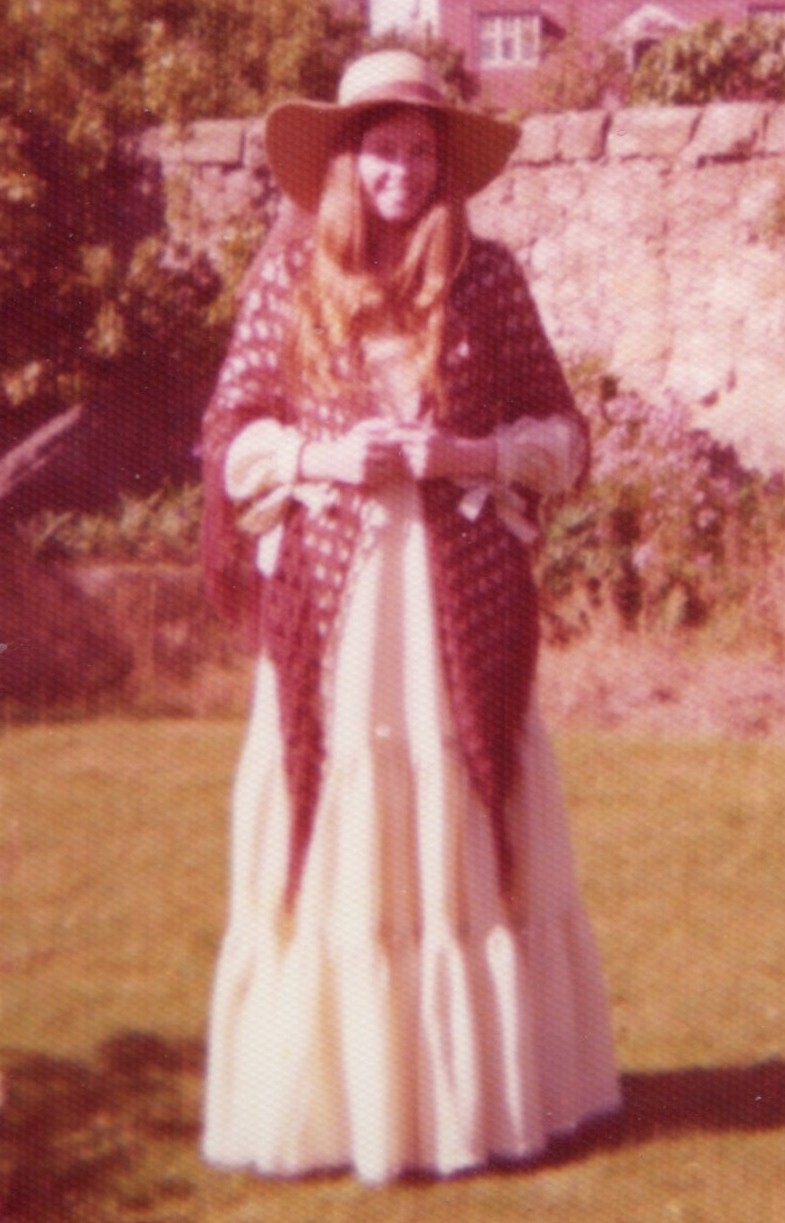
An artificial hip, fitted at Wrightington Hospital by Professor Sir John Charnley, is just one of six left in the world from the pioneer of the hip replacement, enabling its recipients to live an active life.
Mrs Margaret Stott was just two-years-old when she first underwent surgery on her hips. Born with bilateral dislocation, her childhood was blighted by pain as, back in 1951, routine checks on babies for this issue did not happen.
“I was 12 when I had my left hip operated on and then the following year, my right hip was looked at,” says Margaret, a native of Aberdeen who went on to work for the Medical Research Council in Edinburgh after graduating in Embryology.
But it was only after a car accident six months after she began working that caused further damage to her left hip, that Margaret was told about the pioneering work taking place at Wrightington Hospital.
“Mr Rennie, who had looked after me in Aberdeen since I was two said the only prognosis was that I was to use a wheelchair for the rest of my life. However, he did go on to say, ‘there’s a surgeon in England working on hip replacements who can’t resist a challenge’ and that was when I first heard of Professor Charnley. He then told me that he had sent a letter and my X-rays to him as he was my only hope, and within two months I had received an appointment for surgery.”
Professor Sir John Charnley, pioneered hip replacement surgery at Wrightington Hospital in the 1950s and 60s and would go on to be knighted for his work.
Once a tuberculosis treatment centre, when cases fell in the 1950s Wrightington became a hip replacement research centre where, with his keen interest in engineering, Charnley began testing different materials and varying ball-and-socket sizes to create a brand-new type of hip replacement, making many of the implants in his garden shed.
Working at Wrightington Hospital in the 1960s, he pioneered the modern total hip replacement, transforming the treatment of severe hip arthritis. His innovative design - a metal stem and polyethylene socket fixed with bone cement - laid the foundation for what became known as low-friction arthroplasty. This breakthrough drastically reduced pain and restored mobility for countless patients, offering a new lease on life to those previously crippled by joint disease. Charnley’s work at Wrightington turned the hospital into a world-renowned centre for orthopaedic surgery and revolutionised joint replacement globally
“On 7th May 1975, I met Professor Charnley in the old lecture theatres, and he was surrounded by lots of other doctors, many from overseas and the UK to learn his techniques, all looking at me. The next day, on my 24th Birthday he gave me my new hip and when I came round, I can remember not feeling as sore as I had felt from previous surgeries - I was in constant agony before the op and when I woke up it was that pain that had gone,” said Margaret, “I actually remember refusing pain relief as the pain was nothing compared to before but I did suggest a wee dram as it was my birthday. I also remember Professor Charnley came to see me when I was fit for discharge and I asked if I had to do lots of physiotherapy, but he said the best exercise I could do was to walk and actually use the hip – so I did!”
Margaret was flown back to Aberdeen 14 days later and went on to marry, have a son and a daughter and even work in admin on the Piper Alpha oil rig project. A second hip replacement was to follow in 1990, this time in Aberdeen and later, both knees replaced. A late diagnosis of Ehlers Danlos Syndrome was finally provided, explaining many of her problems.
“Mr Charnley gave me back my life with the new hip,” says Margaret, “it has kept going ever since. I actually visited Wrightington in 2005 and spoke to Professor Wrobleski who worked with Charnley and when he showed me my hip on the X-ray he said there was no sign of wear at all – even after 30 years.”
Anil Gambhir, Consultant Hip and Knee surgeon at Wrightington and past President of the British Hip Society, said: “It is humbling to hear the story of Mrs Stott and many others like her. We continue to build on Charnley’s pioneering work by delivering top-quality and innovative orthopaedic care to patients to this day.”
Wrightington Hospital is a recognised specialised orthopaedic hub and continues to support huge numbers of people to be as independent as possible through the clinical care provided at the site, including surgery and therapy.
Now retired from her role as a Community IT Instructor for adults with additional needs, Margaret still has mobility difficulties but is as independent as possible, living alone, but supported by her partner, David, and kept active by her two granddaughters.
“Last year I had a fall but fortunately I landed on my right hip,” she says, “my left Charnley hip is now accompanied by a brand new one on the right which is connected to a metal femur – I’m like the bionic woman!”