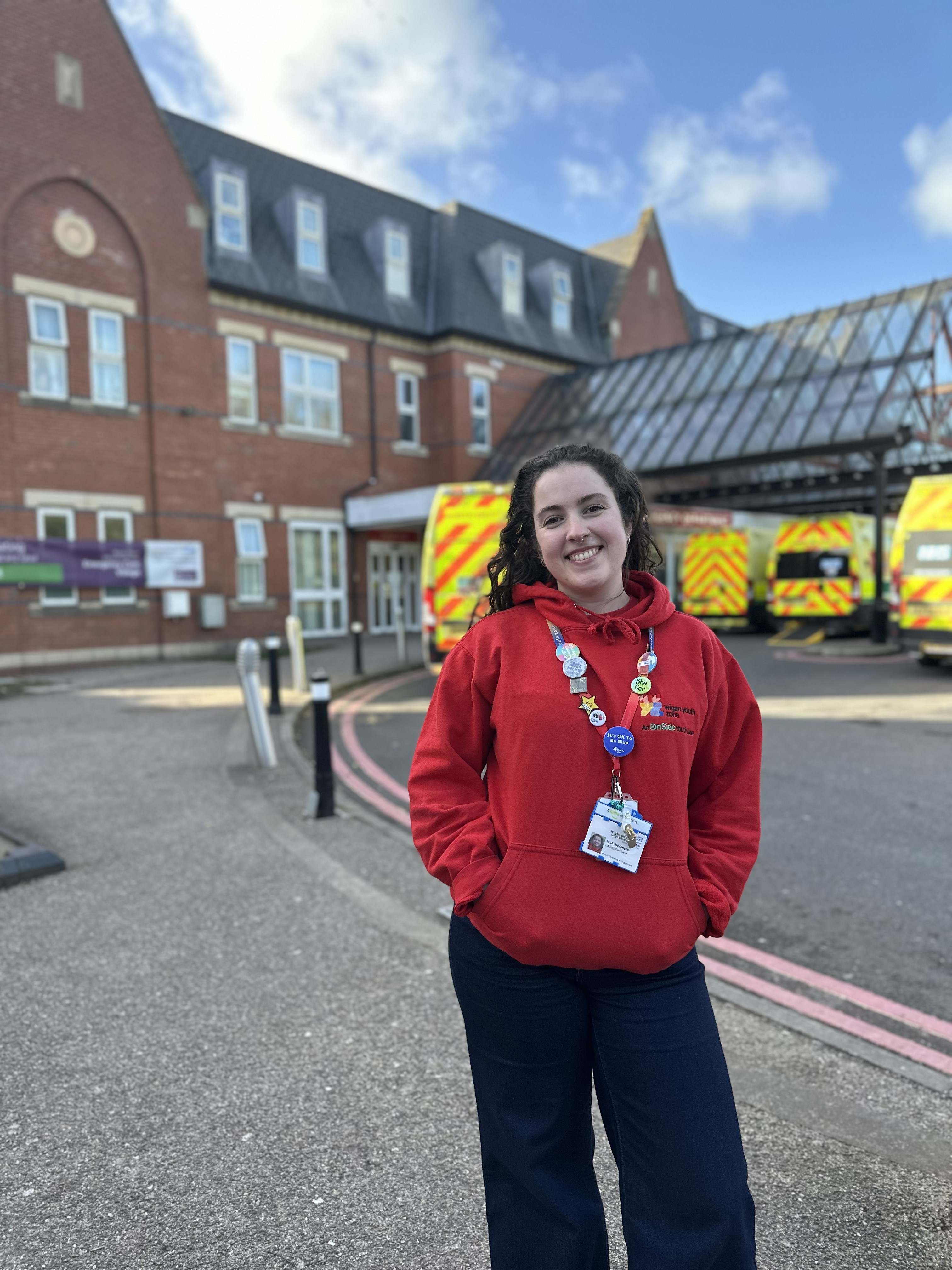
A new partnership between the Wrightington, Wigan and Leigh Teaching NHS Foundation Trust and Wigan Youth Zone will see the introduction of a dedicated, resident Children’s and Young People’s Participation Lead working within hospital services to provide enhanced emotional and social support for young patients.
Wigan Youth Zone is a local youth charity dedicated to supporting children and young people across the borough by providing safe, inspiring spaces and access to a wide range of activities, opportunities, and support services. The organisation focuses on helping young people build confidence, develop new skills, and improve their wellbeing through positive relationships, enrichment programmes, and targeted support for those who need it most. Its work plays a key role in strengthening youth provision across the Wigan community.
The role, which is non-clinical, is focused on strengthening connections with young people, amplifying youth voice, and supporting engagement following discharge from hospital services. Working collaboratively across the Trust and alongside Wigan Youth Zone, the post aims to ensure that young people feel heard, involved, and supported throughout their healthcare journey.
Based primarily on the Rainbow Ward at the Royal Albert Edward site and within the Children’s Accident and Emergency Department, the role also spans a wide range of services including community provision, outpatient clinics, and specialist services. This cross-service approach ensures continuity of support and meaningful engagement beyond the hospital setting.
This 12-month pilot initiative has been developed to improve access to tailored support for young people aged 8–19 years, ensuring their voices help shape services across both health and youth sector settings. The role focuses on building confidence, promoting mental and physical wellbeing, and supporting safe, sustainable transitions into community-based support.
A key element of the role is strengthening the link between hospital care and community opportunities. By working closely with Wigan Youth Zone, young people will be supported to connect with safe, positive activities and networks beyond the hospital environment.
Ione Stevenson, leading on the partnership, says: “I’m really proud to be part of this partnership and to work directly with young people during what can often be a difficult time. My role is about listening, building trust, and helping young people feel heard and supported throughout their hospital experience. It’s also about connecting them to opportunities beyond the hospital, so they leave feeling more confident and supported in their next steps.”
The partnership is designed to bridge the gap between clinical care and emotional wellbeing, ensuring that young patients have access to age-appropriate engagement, advocacy, and support. This includes helping young people understand their care journey, providing reassurance, and signposting additional community services where appropriate.
The initiative aims to improve the overall experience for young patients by integrating youth-focused support directly into clinical environments, helping to reduce anxiety, improve communication, and support more holistic care.
Jo McAllister, Head of Patient Experience and Engagement at WWL, said: “We are delighted to welcome our new Youth Worker to WWL as part of this important collaboration. Supporting young people through their healthcare journey is central to our commitment to delivering compassionate, person‑centred care. This role strengthens our ability to listen to young voices, understand their experiences, and ensure they feel safe, respected, and involved in decisions about their care. We believe this partnership will make a meaningful difference to the wellbeing of the young people we serve.”
Head of Operations, Sikander Ali from Wigan Youth Zone added: “This partnership allows us to extend our support into a vital healthcare environment. Our work alongside the Trust will ensure young people are listened to, engaged with meaningfully, and supported both during their hospital stay and as they transition back into the community.”