Every summer, millions of eyes turn to the courts of the world’s oldest and most prestigious tennis tournament at Wimbledon. But while the crowd is swept up in the emotion of the game, a group of individuals must maintain unwavering focus.
For 18 years, Dr Subhasis Basu was one of them.
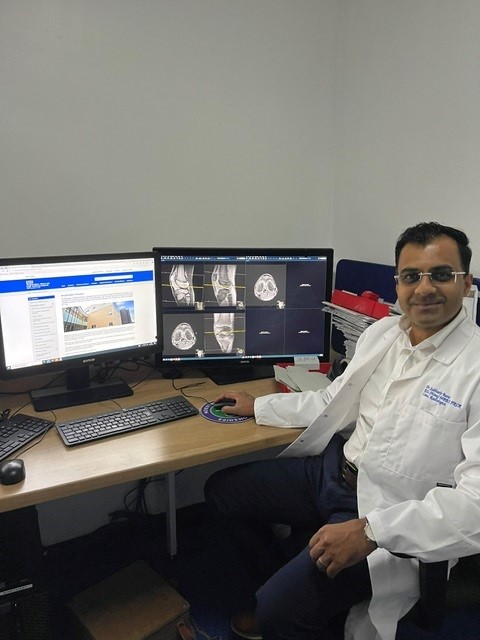
To his patients and colleagues at Wrightington, Wigan and Leigh Teaching Hospitals NHS Foundation Trust (WWL), Dr Basu is a highly esteemed Consultant Musculoskeletal Radiologist and fellowship-trained Sports Medicine Radiologist. But until recently, he lived a remarkable double life.
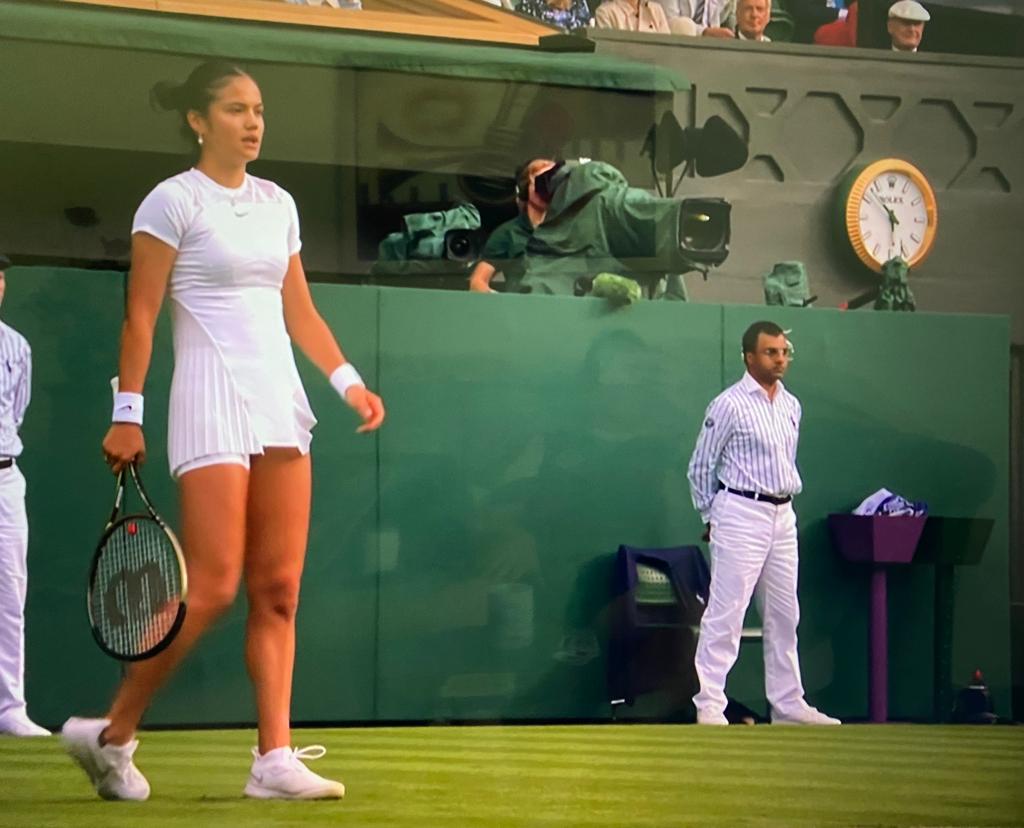
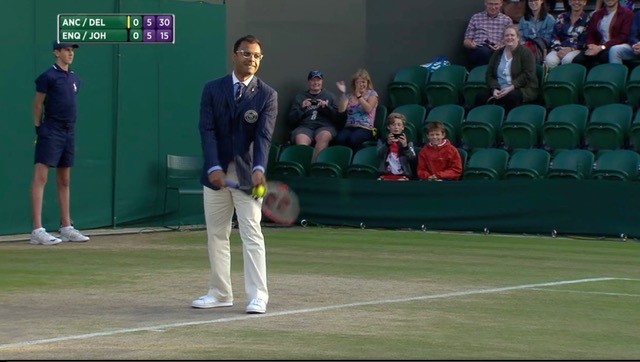
A keen tennis player since the age of six, Dr Basu channelled his love for the sport into tennis officiating. Over a 25-year umpiring career, he rose to the pinnacle of the profession, walking onto the world’s most famous courts alongside tennis royalty.
It was a journey fuelled by passion but demanding sacrifice.
"Being an official involved lots of theory, practical assessments, and regular appraisals, alongside travelling to tournaments of all levels year-round," he explained, recalling the delicate balancing act between high-stakes clinical medicine and the demands of officiating. Yet, the rewards were unforgettable - including a light-hearted moment on Court 3 a few years ago when a professional player spontaneously handed him their racket to play a couple of points.
His extraordinary run came to a close following the 2024 Championships. His departure coincided with a historic turning point for the tournament: where artificial intelligence and Live Electronic Line-Calling (ELC) completely replaced on-court line judges.
He notes that his medical career and his time on the tennis court have always existed in a "symbiotic relationship".
As an MSK radiologist, Dr Basu treats sports injuries, orthopaedic conditions, and rheumatological ailments daily. His 18 years at Wimbledon has given him a unique masterclass in human biomechanics. Having spent decades visually dissecting the movements, deceleration, and repetitive strains of the world's most elite athletes, he possesses an intuitive understanding of how the human body moves - and breaks.
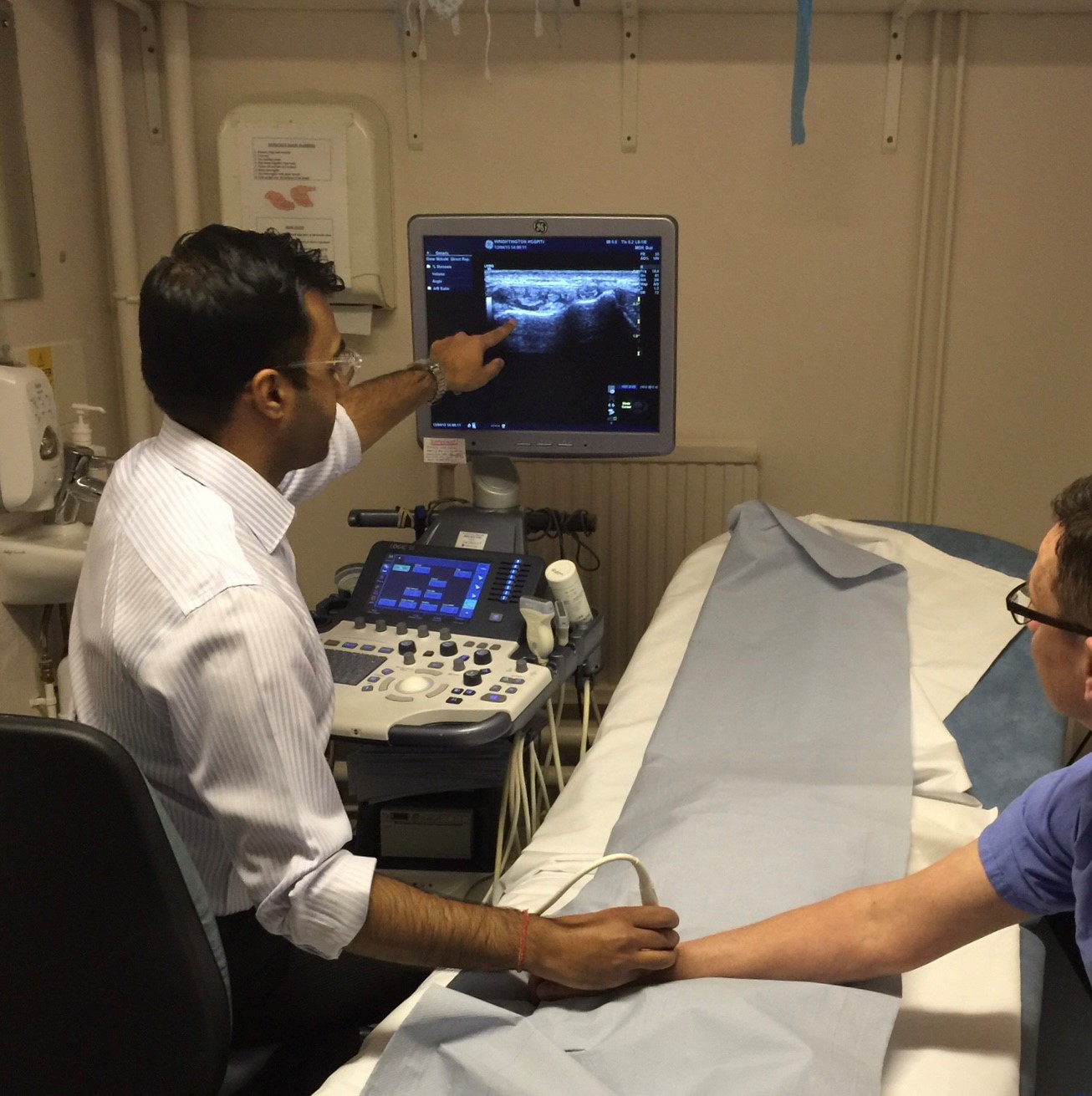
Today, that elite-level perspective is woven into the cutting-edge care he provides at WWL. When analysing complex X-rays, CT scans, MRIs, or ultrasounds, Dr Basu doesn't just see a static image on a screen; he visualises the dynamic, real-world mechanics behind the injury.
Whether he is performing precise ultrasound-guided injections or reporting on a subtle ligament tear, WWL patients are benefiting from a clinical diagnostic eye that has been sharpened by decades of elite sporting excellence.